الحوكمة العالمية من زوايا متعددة.. اليمن وهندوراس وليبيا في نقاشات منتدى الدراسات الصينية المعاصرة ببكين
الصين ـ بكين –
13 نوفمبر 2026
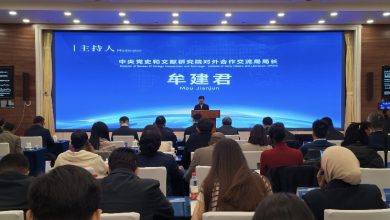
تواصلت اليوم في العاصمة الصينية بكين أعمال المنتدى الدولي السابع للدراسات الصينية المعاصرة في الخارج، تحت عنوان بناء الأحزاب والحوكمة العالمية، بمشاركة باحثين وإعلاميين وممثلين عن مؤسسات إعلامية من عدد من الدول، ناقشوا قضايا الحوكمة والتنمية وبناء المؤسسات، ودور الإعلام في تعزيز التفاهم والتعاون الدولي.
وشهدت جلسات المنتدى تقديم أوراق تناولت تجارب وطنية وتحديات دولية من زوايا متعددة، شملت واقع الحوكمة في اليمن، والتحديات التنموية والإعلامية في هندوراس، والعلاقة بين الإعلام وسيادة القانون في دعم الحوكمة العالمية وغيرها من الورقات ذات الأهمية .
اليمن.. تحديات الحوكمة وآفاق التعاون مع الصين
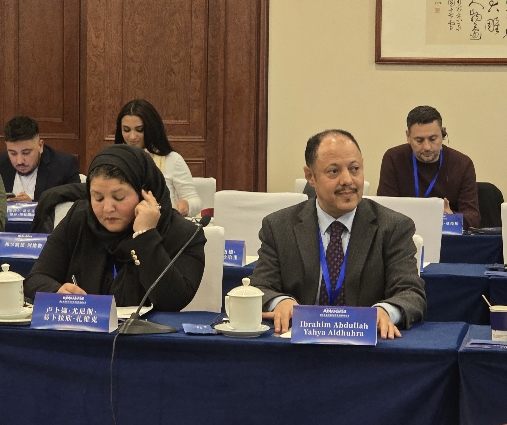
قدم الصحفي والباحث اليمني إبراهيم عبدالله يحيى الظهره ورقة بعنوان «دور الصين البنّاء لعالم أكثر عدالة ،اليمن الذي يُعرف بالأزمات وتغيب عنه الحوكمة»، تناول فيها التحديات السياسية والإنسانية التي تواجه اليمن، وانعكاسات ضعف المؤسسات والإنقسامات الداخلية والتدخلات الخارجية على استقراره.
واستعرضت الورقة المكانة التاريخية والحضارية لليمن وأهميته الجغرافية عند مضيق باب المندب، مشيرة إلى أن اختزال البلاد في أزماتها الراهنة يتجاهل إرثها الحضاري وإمكاناتها البشرية والإقتصادية.
كما تناولت احتياجات اليمن في مجالات الإستقرار والتنمية وبناء المؤسسات، داعية إلى دور دولي أكثر فاعلية في معالجة النزاعات، وعدم اقتصار الإهتمام بالدول المتأزمة على الإستجابة للأزمات الإنسانية.
وفي سياق متصل، استعرض المتحدث التجربة الصينية في التنمية وبناء المؤسسات ومكافحة الفقر، مشيراً إلى العلاقات اليمنية الصينية الممتدة منذ عام 1956، وأهمية تعزيز التعاون وتبادل الخبرات بما يدعم فرص التنمية والإستقرار.
هندوراس.. التحديات الدولية ومسؤولية الصحافة
ومن هندوراس، قدمت Gizelle Lanza ورقة بعنوان «هندوراس والعالم، التحديات والفرص ودور الصحافة»، استعرضت فيها واقع بلادها وما تواجهه من تحديات تتعلق بالتفاوت الإجتماعي والهجرة، والحاجة إلى تعزيز المؤسسات وتوسيع الفرص أمام الأجيال الجديدة.
وتطرقت الورقة إلى التحولات الدولية المتسارعة، بما في ذلك الصراعات الجيوسياسية والتقدم في تقنيات الذكاء الإصطناعي وأزمة المناخ والتفاوتات الإقتصادية، وما تفرضه من تحديات تتجاوز حدود الدول.
وأكدت على أهمية تعزيز التعاون بين الشعوب والتبادل الثقافي والإبتكار، وبناء علاقات دولية قائمة على الإحترام والحوار والمنفعة المتبادلة.
كما سلطت الضوء على مسؤولية الصحافة في التعامل مع هذه المتغيرات، من خلال نقل المعلومات بمسؤولية، والتحقيق الدقيق، ومكافحة التضليل الإعلامي، وإتاحة المجال أمام الأصوات التي لا تحظى بالتمثيل الكافي، مع الحفاظ على الإلتزام بالحقيقة والأخلاقيات المهنية.
ليبيا.. الإعلام وسيادة القانون في دعم الحوكمة العالمية
وفي مشاركة ليبية، قدمت الدكتورة لبنى يونس، المدير العام لوكالة سما الإخبارية المتخصصة في الشأن الصيني الأفريقي، ورقة بعنوان «الإعلام وسيادة القانون.. جسر بين بناء الأحزاب والحوكمة العالمية»، تناولت فيها العلاقة بين بناء المؤسسات الوطنية والإلتزامات الدولية، ودور الإعلام في ترسيخ ثقافة سيادة القانون وتعزيز الوعي المجتمعي.
وربطت الورقة بين المؤسسية على المستوى الوطني وقدرة الدول على الوفاء بالتزاماتها الدولية، كما تناولت الكتاب الأبيض الصيني الصادر في 17 يونيو 2026 بعنوان «حوكمة عالمية أكثر عدلاً وإنصافاً.. مبادئ الصين ومقترحاتها وإجراءاتها».
واستعرضت المداخلة ثلاثة أدوار أساسية للإعلام في دعم الحوكمة، تتمثل في تبسيط المفاهيم القانونية والسياسية للجمهور دون الإخلال بدقتها، ومتابعة تنفيذ القواعد والإلتزامات بمهنية، وتعزيز التواصل الحضاري والتفاهم المتبادل بين الشعوب.
كما تناولت تجربة وكالة سما الإخبارية في تغطية العلاقات الصينية الأفريقية، وقدمت ثلاثة مقترحات لتعزيز التعاون الإعلامي، شملت إطلاق برامج تدريب مشتركة للإعلاميين الصينيين والأفارقة في التغطية القانونية والدولية، وإنشاء منصة بحثية إعلامية مشتركة تصدر مواد ثنائية اللغة حول قضايا الحوكمة، إلى جانب إعداد ميثاق مهني للتغطية الدولية يرسخ معايير الدقة والنسبة إلى المصادر والتوثيق.
وتأتي هذه المشاركات ضمن أعمال المنتدى الذي يفتح المجال أمام تبادل الرؤى والتجارب الدولية بشأن بناء المؤسسات والحوكمة العالمية، ويجمع بين المقاربات السياسية والتنموية والإعلامية في مناقشة التحديات التي تواجه الدول والمجتمعات في ظل التحولات الدولية الراهنة.
China – Beijing
November 13, 2026
The proceedings of the Seventh International Forum on Contemporary China Studies Abroad continued today in the Chinese capital, Beijing, under the theme “Party Building and Global Governance.” Researchers, media professionals, and representatives of media institutions from a number of countries took part, discussing issues of governance, development, and institution-building, and the role of the media in promoting international understanding and cooperation.
The forum’s sessions featured papers addressing national experiences and international challenges from multiple angles, including the state of governance in Yemen, development and media challenges in Honduras, and the relationship between the media and the rule of law in supporting global governance, among other important papers.
Yemen: Governance Challenges and Prospects for Cooperation with China
Yemeni journalist and researcher Ibrahim Abdullah Yahya Al-Dhahra presented a paper titled “China’s Constructive Role for a More Just World: Yemen, Known for Crises and Lacking Governance.” It addressed the political and humanitarian challenges facing Yemen, and the repercussions of weak institutions, internal divisions, and external interference on its stability.
The paper reviewed Yemen’s historical and civilizational standing and its geographic importance at the Bab al-Mandab Strait, noting that reducing the country to its current crises ignores its civilizational heritage and its human and economic potential.
It also addressed Yemen’s needs in the areas of stability, development, and institution-building, calling for a more effective international role in resolving conflicts, and for attention to crisis-stricken countries that goes beyond responding to humanitarian emergencies.
In a related context, the speaker reviewed China’s experience in development, institution-building, and poverty alleviation, pointing to Yemeni-Chinese relations dating back to 1956 and the importance of strengthening cooperation and exchanging expertise in a way that supports opportunities for development and stability.
Honduras: International Challenges and the Responsibility of Journalism
From Honduras, Gizelle Lanza presented a paper titled “Honduras and the World: Challenges, Opportunities, and the Role of Journalism,” in which she reviewed the situation in her country and the challenges it faces relating to social inequality and migration, and the need to strengthen institutions and expand opportunities for new generations.
The paper touched on rapid international transformations, including geopolitical conflicts, advances in artificial intelligence technologies, the climate crisis, and economic disparities, and the challenges they pose that transcend national borders.
She stressed the importance of strengthening cooperation between peoples, cultural exchange, and innovation, and of building international relations founded on respect, dialogue, and mutual benefit.
She also highlighted the responsibility of journalism in dealing with these changes, through transmitting information responsibly, conducting rigorous investigation, combating media disinformation, and giving space to underrepresented voices, while maintaining a commitment to truth and professional ethics.
Libya: The Media and the Rule of Law in Supporting Global Governance
In a Libyan contribution, Dr. Lobna Younis, Director General of Sama News Agency, which specializes in Chinese-African affairs, presented a paper titled “The Media and the Rule of Law: A Bridge Between Party Building and Global Governance.” It addressed the relationship between building national institutions and international obligations, and the role of the media in entrenching a culture of the rule of law and strengthening societal awareness.
The paper linked institutionalization at the national level to states’ ability to fulfill their international obligations, and addressed the Chinese white paper issued on June 17, 2026, titled “A More Just and Equitable Global Governance: China’s Principles, Proposals, and Actions.”
The presentation outlined three essential roles for the media in supporting governance: simplifying legal and political concepts for the public without compromising their accuracy; following up on the implementation of rules and obligations in a professional manner; and promoting civilizational communication and mutual understanding between peoples.
It also addressed Sama News Agency’s experience in covering Chinese-African relations, and put forward three proposals to strengthen media cooperation: launching joint training programs for Chinese and African media professionals in legal and international coverage; establishing a joint media research platform that issues bilingual materials on governance issues; and preparing a professional charter for international coverage that entrenches standards of accuracy, attribution to sources, and documentation.
These contributions come within the proceedings of the forum, which opens the floor for exchanging international perspectives and experiences on institution-building and global governance, and combines political, developmental, and media approaches in discussing the challenges facing states and societies amid the current international transformations.