الصين -شيان
10 نوفمبر 2026
متابعة / وكالة سما الإخبارية
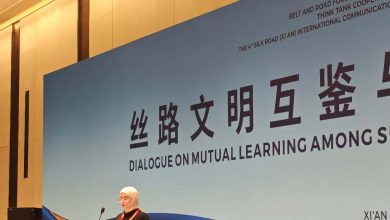
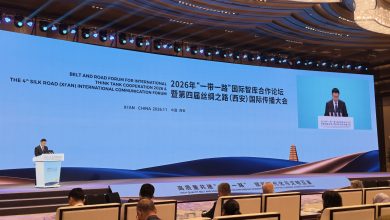
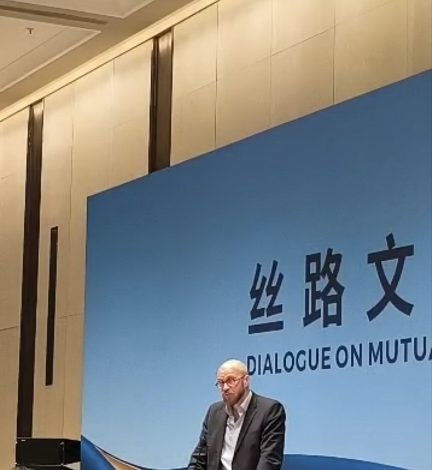
قال البروفيسور باسي هيكورينن من جامعة LUT في فنلندا إن الإقتصاد العالمي الراهن ينتج أضراراً بيئية واسعة النطاق، كتغير المناخ وفقدان التنوع الحيوي، داعياً إلى جعل الحضارة إيكولوجية». جاء ذلك في كلمته بمنتدى التعاون الدولي لمراكز الفكر في مبادرة الحزام والطريق 2026 والدورة الرابعة لمؤتمر طريق الحرير (شيان) للانتشار الدولي، يوم 10 نوفمبر 2026.
وأوضح أن ثقافات كثيرة في العالم تعاني اليوم من أحوال جوية أكثر تطرفاً وتفقد مصادر رزقها، وأن الهجرة المرتبطة بالتغير البيئي العالمي تتسارع يوماً بعد يوم. وحذّر من إمكانية ما سماه التحول في حالة الكوكب، لأن نمو الرخاء البشري والسكان والتقنية يخلق ضغوطاً تراكمية تدفع النظم البيئية المحلية المترابطة إلى ما بعد حدودها الحرجة.
وقال إن من المثير للدهشة أن ثقافات كثيرة ما زالت غير راغبة في التخلي عن أنماط إنتاجها الإستخراجية والإستغلالية، معتبراً أن النزعة الإستهلاكية وهيمنة الشركات تغذّيان أسطورة النمو اللانهائي. واستعان بمفهوم الهوبريس (الغطرسة) في الفكر الإغريقي، مشيراً إلى أن تقاليد الحكمة عبر الثقافات تعلّم أن الإفراط في الاعتزاز بالقدرات الذاتية تكون نتيجته النِّمسيس أي الجزاء، وهو في الحالة البيئية جزاء الطبيعة (nemesis naturalis).
وأكد أن الطبيعة ليست عدوّنا، وأنه لا ينبغي للحضارة أن تعادي النظام البيئي الذي يحتضنها، وهو بيتنا (oikos)، وأن المطلوب هو الانسجام مع الطبيعة وفيها ومنها ومن أجلها».
وفي مواجهة هذه الأسطورة، عرض مفهوم اللانمو (degrowth)، وذكر مقابله الصيني «去增长»، مشيراً إلى أنه بدل أن يضع الإنسان فوق الطبيعة يدمج ثقافاتنا وحضارتنا داخل الكل الإيكولوجي، وبدل التركيز على الكفاءة البيئية والتنافس يدعو إلى الإكتفاء البيئي والتعاون. وأفاد البروفيسور هيكورينن أن كلمته تستند إلى كتابه اللانمو: تجربة أن نكون محدودين (Degrowth: An Experience of Being Finite)، الصادر عن دار مايفلاي.
وختم بأن تحويل الحضارة إلى حضارة إيكولوجية رؤية طموحة، وهي في رأيه أحد أعلى مصادر المعنى في زمننا، متسائلاً: إذا عجزنا عن تخيّل مستقبل قادر على الصمود لثقافاتنا، فكيف نجد معنى في أعمالنا اليومية؟.
ترجمة سما عن النص الإنجليزي
الكلمة الأصلية
English Version
When Hubris Meets Nemesis: Finnish Scholar Calls from Xi’an for an “Ecological Civilization” in Harmony with Nature
Professor Pasi Heikkurinen of LUT University, Finland, said the current global economy “produces large-scale environmental damage, like climate change and biodiversity loss,” calling for efforts toward “making civilization ecological.” He was speaking at the Belt and Road Forum for International Think Tank Cooperation 2026 and the 4th Silk Road (Xi’an) International Communication Forum on 10 November 2026.
He said many cultures around the world “are suffering from more extreme weather conditions and losing their livelihoods,” and that migration related to global environmental change “is accelerating every day.” He warned of a possible “planetary state shift,” noting that growing human affluence, population and technology create cumulative pressures that push interconnected local ecosystems beyond their critical thresholds.
Professor Heikkurinen said it is surprising that many cultures “are still not willing to let go of their extractivist, exploitative modes of production,” arguing that consumerism and corporation-ism “uphold the dangerous myth of infinite growth.” Drawing on the Greek notion of hubris, he noted that wisdom traditions across cultures teach that excessive pride in human capabilities leads to nemesis, which in ecological terms he called nemesis naturalis.
He stressed that nature “is by no means our enemy” and that civilization should not go against its host ecosystem, “our home (oikos),” expressing a desire for “harmony with and in, as well as ‘of’ and ‘for’ nature.”
In response, he presented the concept of degrowth (去增长, *qù zēngzhǎng*), which, rather than placing humanity over nature, “embeds our cultures and civilization within the ecological whole,” and which calls for “eco-sufficiency and cooperation” rather than eco-efficiency and competition. Professor Heikkurinen said his remarks draw on his book Degrowth: An Experience of Being Finite, published by Mayfly.
He concluded that making civilization ecological is “an ambitious vision, and therein lies one of the highest sources of meaning in our time,” asking: “If we cannot imagine a resilient future for our cultures, how could we conceive meaning in our everyday doings?”